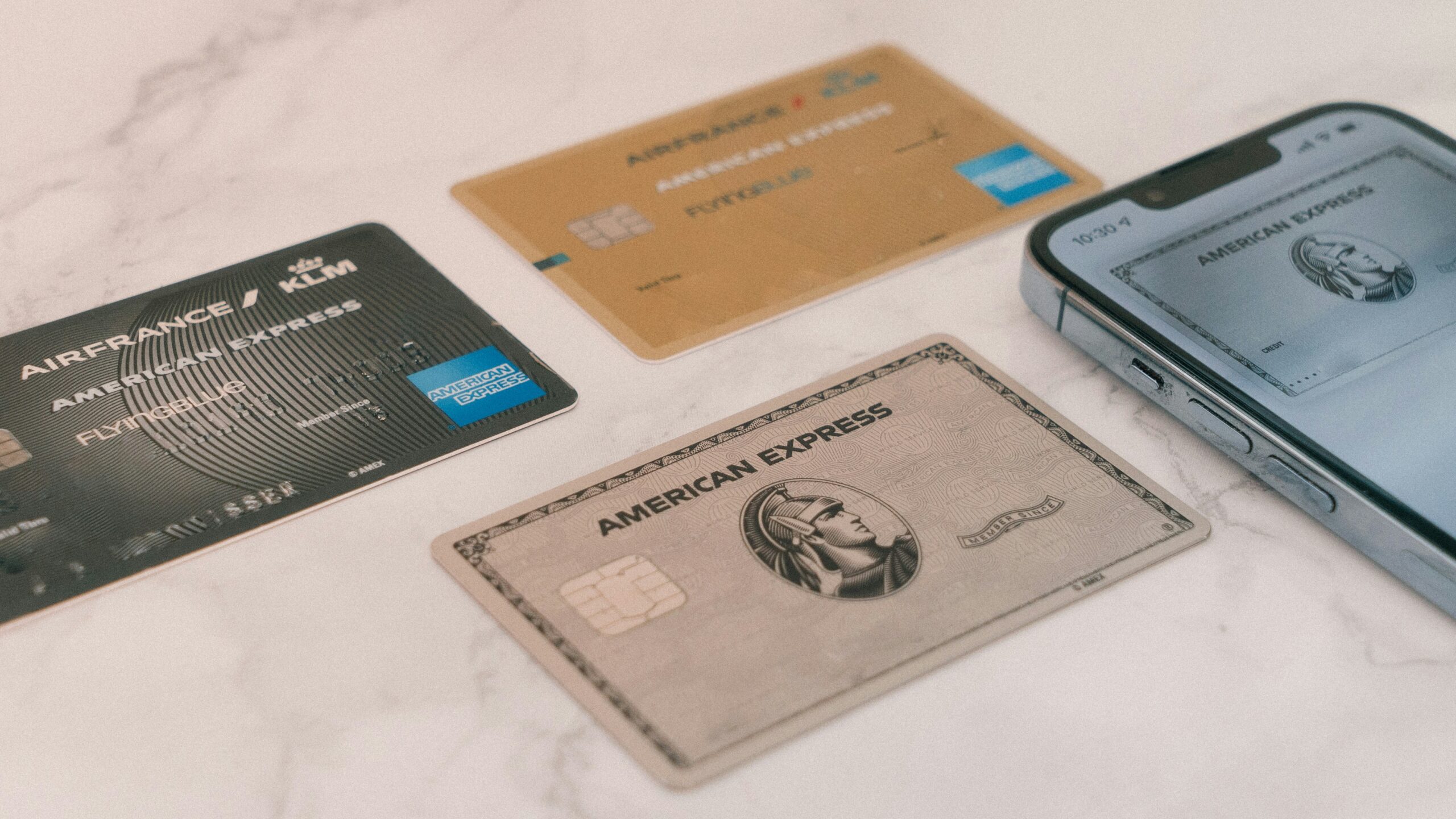
Amex Upgrade and Downgrade Strategy
Upgrading or downgrading an Amex card can earn you extra points, unlock benefits or lower your annual fees. But changing cards can also affect future welcome offers, even if you never earned a bonus on that product. Before making a move, understand how lifetime language, family rules and targeted upgrade offers fit into your long-term strategy. Here's how to think about your Amex upgrade and downgrade strategy.
How Amex Upgrades and Downgrades Work
An Amex upgrade or downgrade changes the product on an existing account, generally preserving its history without a hard inquiry. A new application opens a separate account. A product change does not automatically earn a new-card welcome offer. You need a specific upgrade offer to earn an upgrade bonus. Amex typically restricts product changes to compatible cards within the same family. You cannot turn a Hilton card into a Delta card or change a personal card into a business card. Available options vary by account, and specialty Platinum products can have additional restrictions. Common paths for your Amex upgrade and downgrade strategy include:
| Card Family | Common Product-Change Options |
|---|---|
| Personal Membership Rewards | Green, Gold and Platinum |
| Business Membership Rewards | Business Green, Business Gold and Business Platinum |
| Personal Hilton | Hilton Honors, Surpass and Aspire |
| Personal Delta | Blue, Gold, Platinum and Reserve |
| Business Delta | Gold, Platinum and Reserve |

How Amex’s Once-in-a-Lifetime Rule Affects Product Changes
Amex’s “once-in-a-lifetime” rule is an important consideration for your Amex upgrade and downgrade strategy. It generally refers to offer language stating that you may not qualify for a welcome offer if you have or have had that card. The important distinction is holding the card, not earning its bonus. For example, upgrading a Hilton Honors card to a Surpass card can affect your eligibility for a future Surpass welcome offer, even if the upgrade comes with no bonus. Downgrading can create the same issue. Moving from an Aspire card to a Hilton Honors card you have never held can affect a future welcome offer on that lower-tier card.
If you still qualify for the destination card’s welcome offer, compare a new application before changing products. Applying first may preserve that bonus opportunity, although it adds another account and potentially another annual fee. Do not assume eligibility resets after a fixed number of years.
Amex Family Rules: Why Card Order Matters
Amex family rules can limit welcome offers based on other cards you have held within the same family. For personal Membership Rewards cards, having held Platinum may affect your eligibility for Gold or Green welcome offers, while having held Gold may affect a Green welcome offer.
That makes the order of applications important for your Amex upgrade and downgrade strategy. If you want all three cards and qualify for their offers, starting with Green (not currently available for applications), then Gold, then Platinum can help preserve opportunities. Upgrading to Platinum before applying for Gold could affect both your future Platinum offer and lower-tier offers. Delta personal cards also have family restrictions. Rules vary by product and offer, so check the exact terms rather than assuming personal and business cards follow the same restrictions.
Amex NLL Offers vs. Upgrade Bonuses
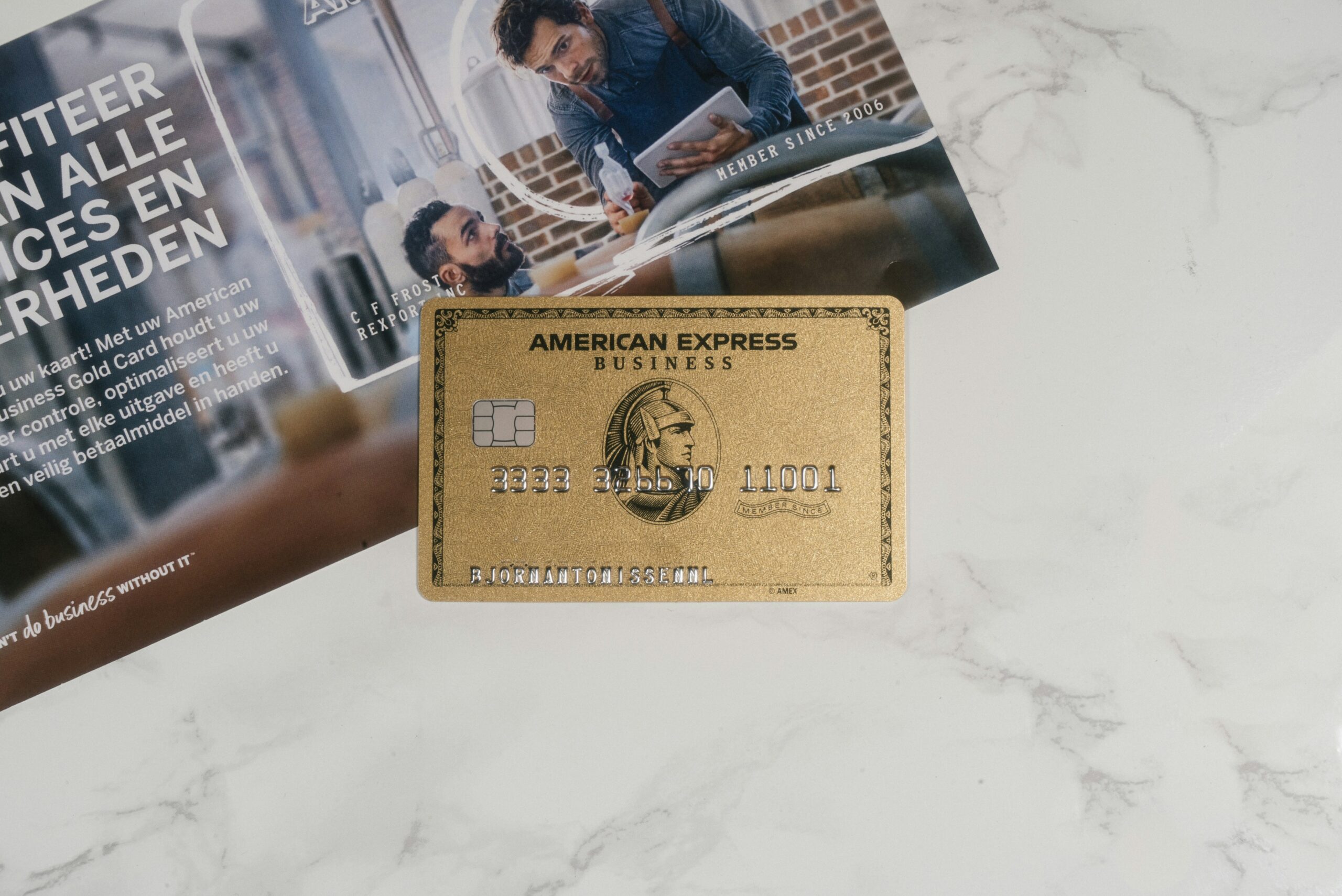
When considering your Amex upgrade and downgrade strategy, don't sleep on no-lifetime-language, or NLL, offers. These offers omit the usual restriction based on previously holding a card. They can create another welcome-offer opportunity for someone who has had that product before. However, NLL does not mean everyone qualifies, and it does not automatically remove separate family restrictions or other eligibility conditions.
An upgrade bonus is a separate offer for changing an existing card. Some targeted upgrade offers allow previous cardholders to earn a bonus, making them useful when a new-card welcome offer is unavailable. Others contain restrictions. Check the upgrade’s own terms rather than assuming every upgrade offer is NLL or available to previous cardholders.
Does an Amex Upgrade Offer Ever Make Sense?
Is taking an upgrade offer ever a good choice for your Amex upgrade and downgrade strategy? Always compare the bonus, spending requirement, deadline and increased annual fee with the new-card offer you actually qualify for. A smaller upgrade bonus may be the better choice if it requires substantially less spending or avoids opening another account. Before upgrading, consider whether you could earn both bonuses. If you upgrade to a card you have never opened outright, holding that product makes you ineligible for its future welcome offer—even if you never earned one. If you qualify for the new-card offer and can meet the spending requirement, consider applying outright first.
You may then be able to upgrade an existing eligible card to the same product and earn a separate upgrade bonus. This lets you potentially double dip. But you must meet both spending requirements separately; the same purchases cannot count toward both bonuses. So, time this to work best for your spending habits. For example, Amex has previously targeted Business Green and Business Gold cardholders with Business Platinum upgrade offers for 120,000 Membership Rewards points after $10,000 in purchases within three months. Check your account for personal offers, too.

Can Upgrading Without a Bonus Be Worth It?
Sometimes. If you have already held the destination card and need a specific benefit for an upcoming trip, an upgrade may provide value without a bonus. For example, a Business Platinum upgrade could make sense for an eligible Amex Travel redemption using its airline points rebate, subject to the current benefit terms.
Amex commonly prorates annual-fee adjustments on product changes. Ask for the actual charge, refund and next renewal date before agreeing. A midyear upgrade may cost less initially than opening a new premium card, but the full renewal fee can arrive sooner than expected. Confirm benefit enrollment and activation before booking.

Hilton Amex Upgrade and Downgrade Strategy
Hilton’s personal cards offer flexibility because Surpass and Aspire can generally downgrade to the no-annual-fee Hilton Honors card. That lets you reduce costs while keeping the account open. If you have already earned the welcome offers you want, one approach is to downgrade a card you no longer need and watch for a future targeted upgrade bonus. Our past Surpass upgrade offer coverage shows the type of promotion to look for. An offer may never appear, so the downgrade should make sense even without one.
An advanced strategy involves earning a Surpass spending-based Free Night Reward before upgrading to Aspire. Verify reward issuance, spending carryover and Aspire reward timing first. An upgrade does not necessarily reset benefits or immediately produce another certificate, and a bonus holding requirement can limit your next downgrade.

Delta Amex Amex Upgrade and Downgrade Strategy
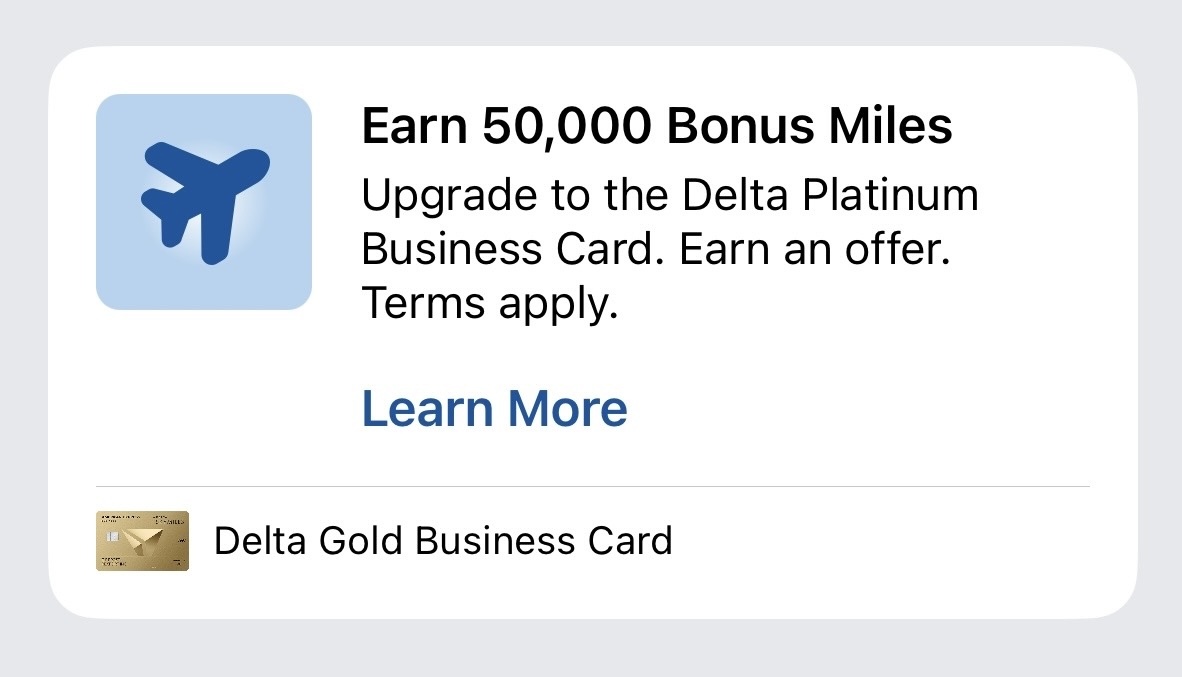
A targeted Delta upgrade can add miles without opening another account. The screenshot below shows an offer ToP team member Jenn recently got to upgrade a Delta Gold Business card to Delta SkyMiles Platinum Business. She could have earned 50,000 bonus miles after $8,000 in purchases within six months. (This is an individual offer; other examples show availability and terms vary.) But you'd want to compare the miles and benefits with the higher annual fee and any new-card offer you qualify for.
Amex has also targeted some cardholders with bonuses for downgrading a Delta card. An ordinary downgrade does not earn a bonus. Personal Delta cards have a no-annual-fee Blue downgrade option. The business lineup does not have an equivalent Business Blue card. Before changing products, confirm how the change affects companion certificates, spending progress and benefits you still plan to use.
Timing Your Downgrade and Protecting Your Points
Always keep a new card through its first anniversary before downgrading or canceling. Higher-fee consumer upgrades generally require a year-old account, though business offers may arrive sooner. After earning an upgrade bonus, keep the upgraded card for the period required by its terms—commonly 12 months from upgrading—to avoid a clawback. Check retention commitments, too, and confirm fee adjustments and refund deadlines when your annual fee posts.
Personal and business Green, Gold and Platinum cards have no direct no-annual-fee downgrade. Before closing one, keep another eligible Membership Rewards account open to protect your points. Blue Business Plus, which requires a separate application, can preserve transferable points for eligible business owners. Hilton points and Delta miles already deposited generally remain in your loyalty account, but card benefits and enrolled Amex Offers may change or end.
Amex Upgrade and Downgrade Strategy: ToP Thoughts
The best Amex upgrade and downgrade strategy also supports your long-term strategy. Protect welcome offers you still want, compare bonuses with fees and spending requirements, and keep track of holding periods. Downgrade when a card no longer earns its place in your wallet. Treat a future upgrade offer as a possibility rather than a guarantee. Have you earned a great Amex upgrade bonus, received a downgrade offer or changed cards to find a better fit? Let us know your thoughts over in the ToP Facebook Group.